
Last updated November 15, 2026
 Wrought iron
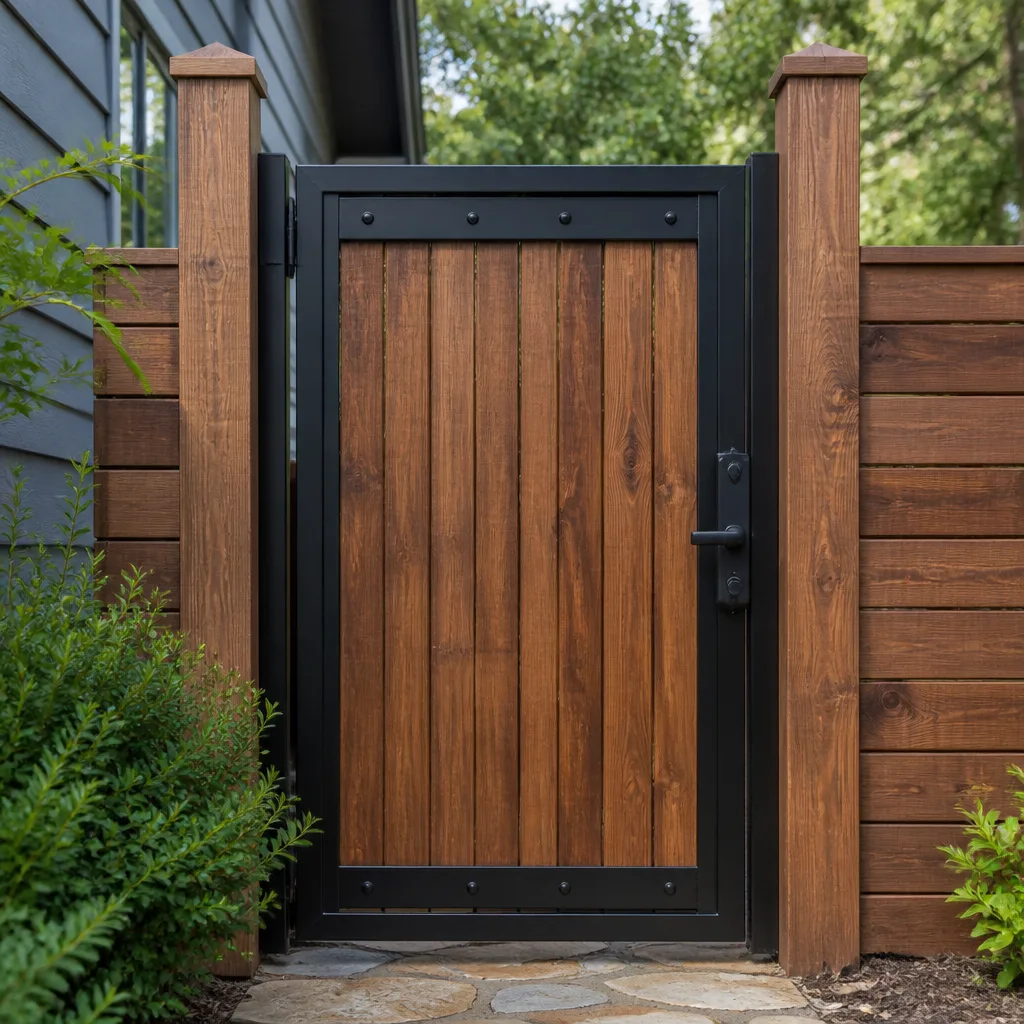 Wood & steel frame
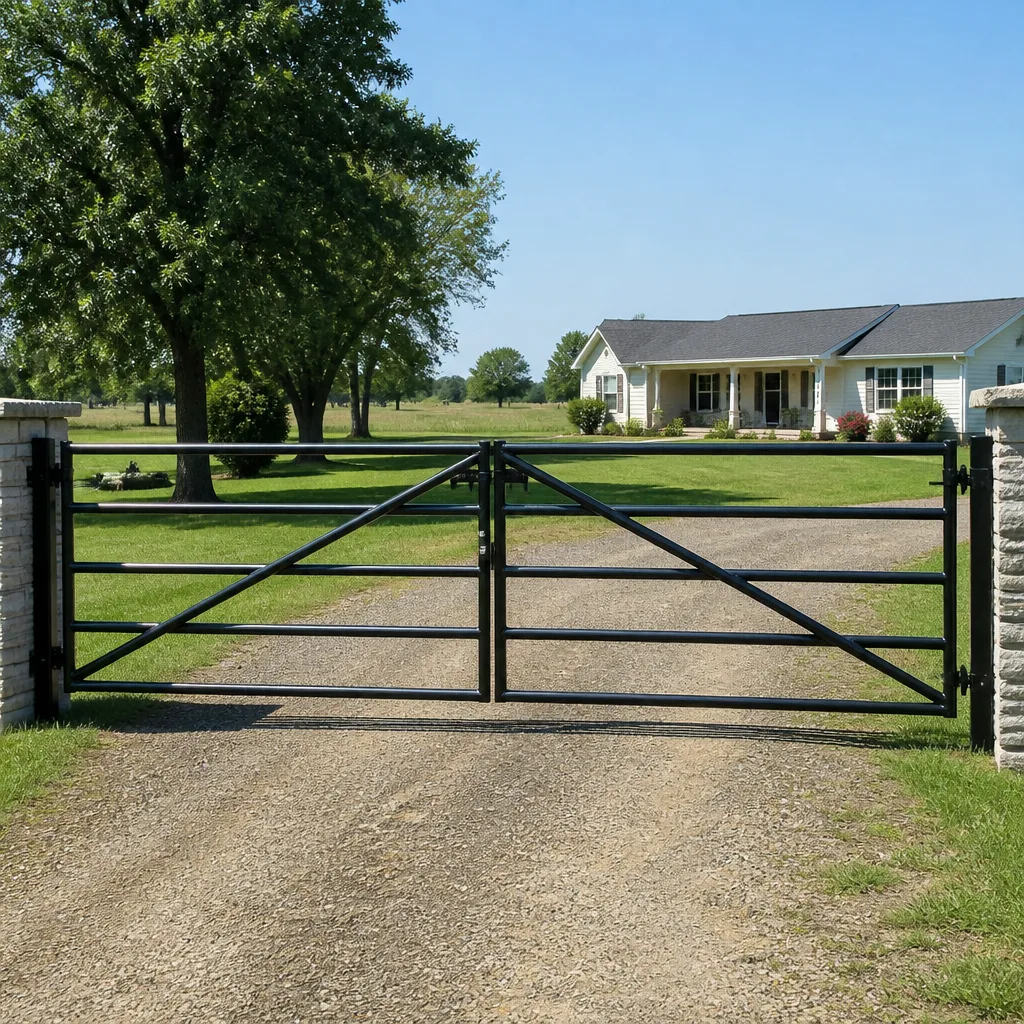 Farm & ranch
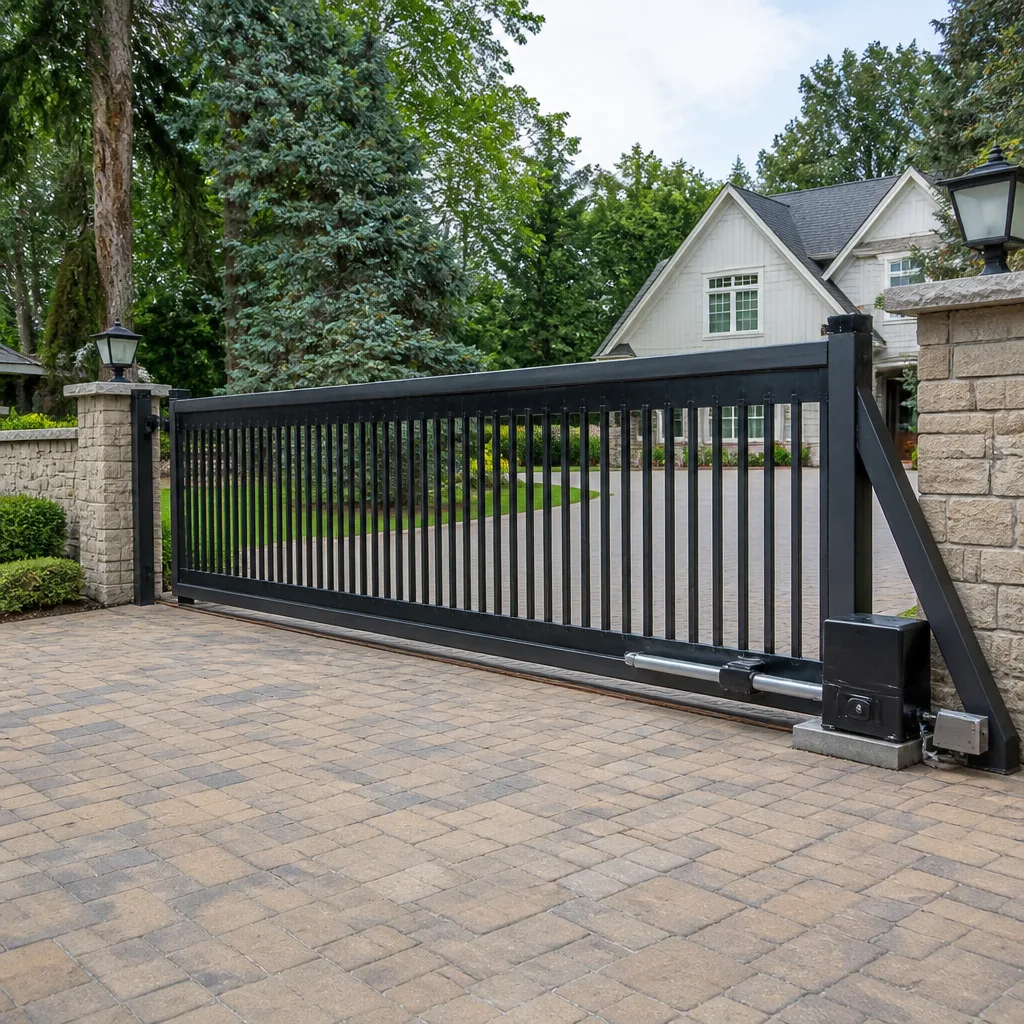 Sliding driveway gates
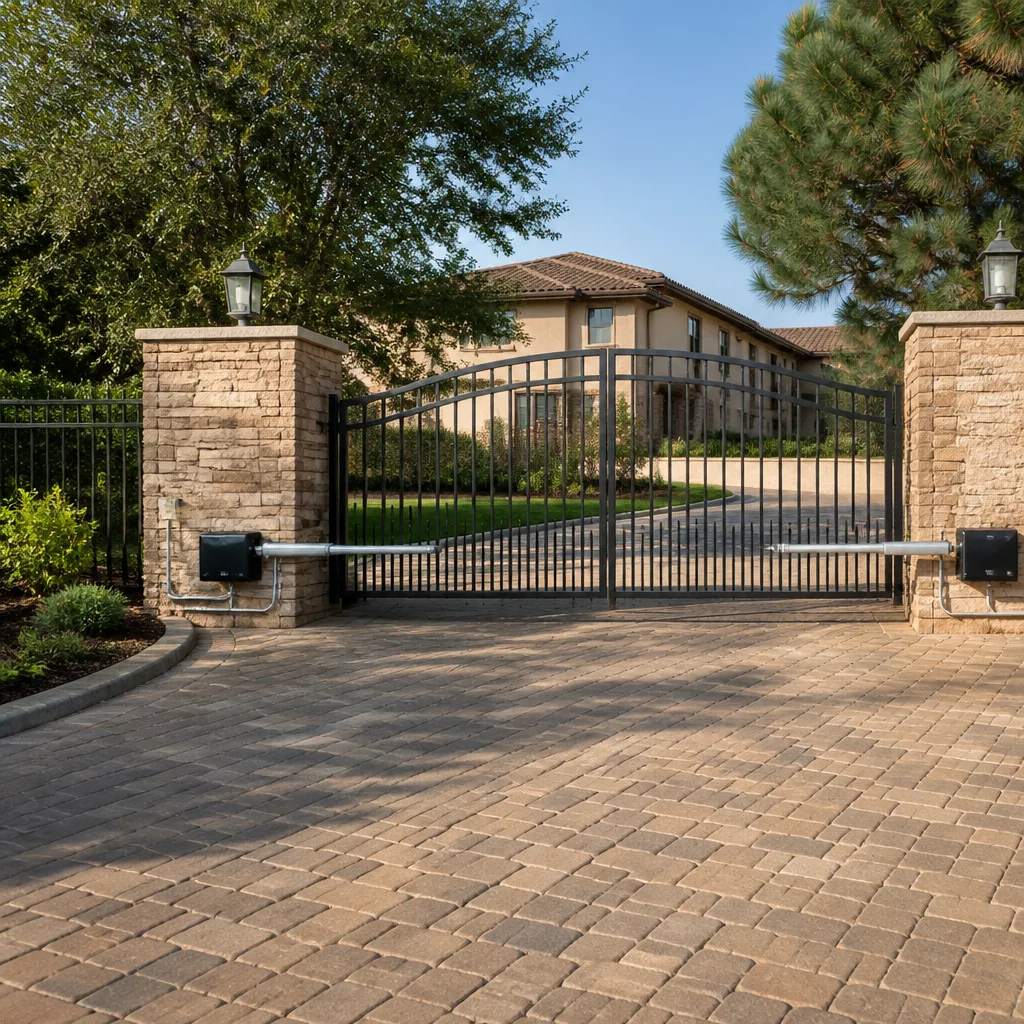 LiftMaster operators
Free on-site gate assessment - hinges, posts, and your LiftMaster or Nice gate operator checked before anything is quoted
The assessment is free and the quote is the invoice.
Get your free estimateGate Repair Permits, Codes & Inspections in Vacaville, CA: What You Need to Know
The most common misunderstanding about gate work is that a repair never touches a permit. Sometimes that’s true. But swap a gate operator, add automation to a manual gate, widen an opening, or change how the gate is anchored, and in many cases you’ve crossed into work that needs a building permit from the City of Vacaville. The part that catches people is what happens afterward: if a gate without proper entrapment protection injures a visitor, an unpermitted installation is not just a code violation, it’s a liability exposure that your homeowners insurance may decline to cover. This guide explains exactly when Vacaville gate work triggers a permit, what UL 325 entrapment protection requires in plain language, how HOA specs fit alongside city code, and how to find out whether a gate you inherited was ever done legally.
Quick Answer
A gate repair usually does not require a permit, but installing a new gate, replacing or upgrading a gate operator, and any structural change to the gate or its posts generally does require a building permit from the City of Vacaville. Automated gates must also meet UL 325 entrapment protection rules, which means functioning sensors, safety edges, or a reversing mechanism appropriate to the gate type. When a permit is required, the installation is inspected, and the inspector checks the structure and the electrical work along with the safety devices.
Styles & brands we work with
- Wrought iron
- Wood & steel frame
- Farm & ranch
- Sliding driveway gates
- LiftMaster operators
Table of Contents
- When does gate work require a permit in Vacaville?
- What UL 325 entrapment protection actually requires
- HOA specifications versus city code in Vacaville
- What an inspection covers for a new or replaced operator
- How to check whether an existing gate was done legally
- Repair or replace: the permit question in each case
- Choosing a gate contractor who handles the paperwork
When does gate work require a permit in Vacaville?
New construction, a new operator, and structural modification each pull a permit. Routine repair of a gate that already exists and was already permitted typically does not. The line sits in scope, not in whether the gate moves afterward.
The City of Vacaville Building Division administers permits for residential and commercial work in the city. Solano County handles unincorporated areas around Vacaville, and the two jurisdictions do not always apply the same thresholds, so the first practical step is confirming which one has authority over your address. A property just outside the city limits can sit under county jurisdiction even though the mailing address says Vacaville.
Work that generally triggers a permit:
- Installing a new driveway gate or entry gate, whether manual or automated
- Replacing a gate operator with a different model or a different type of operator
- Converting a manual gate to an automatic one
- Adding or relocating the electrical circuit that powers the operator
- Changing the gate’s structural posts, footings, or anchoring system
- Widening or reconfiguring the opening, including moving a gate to a new location
- Any work on a commercial or multi-unit access gate where the gate controls vehicle or pedestrian access to the property
Work that generally does not trigger a permit, provided the gate was legally installed and permitted to begin with:
- Replacing a motor, control board, or remote on a like-for-like basis
- Adjusting or replacing a safety sensor, photo eye, or safety edge
- Freeing a gate that has come off its track or jammed
- Repairing hinges, rollers, or latches
- Routine adjustment of the operator’s travel limits or force settings
Two things push borderline jobs over the line. The first is electrical: if the work involves running or modifying a circuit, most jurisdictions want it permitted and inspected, because the inspector is verifying that the power run is done correctly. The second is any change to the gate’s weight, dimensions, or swing or slide path, because that changes the safety envelope the operator has to protect. When in doubt, call the City of Vacaville Building Division and describe the exact scope in a sentence or two. They will tell you whether it needs a permit, and that answer is the one that matters.
What UL 325 entrapment protection actually requires
UL 325 is the safety standard that governs automatic gate operators, and the core requirement is that the operator cannot close on a person, animal, or object without a means of detecting and reversing. In plain terms: an automated gate needs to be able to sense an obstruction, either through a built-in means or through external devices, and reverse or stop before harm occurs.
In practice that means one or more of the following is present and working:
- Photoelectric sensors (photo eyes): a beam across the gate opening that, when broken, tells the operator to stop or reverse. These are the most common external protection on residential slide and swing gates.
- Safety edges: a pressure-sensitive strip on the leading edge of the gate that reverses the operator when it contacts an obstruction. Often used on slide gates and on swing gates where a photo eye alone does not cover the closing path.
- Reversing mechanisms built into the operator: a control setting that reverses the gate when it meets resistance, which handles some obstruction cases but is not a substitute for external devices in most installations.
- Inherent entrapment protection: a limitation on the force the operator can apply, paired with a means of reversal, that satisfies the standard for certain gate types and usage classes.
The standard distinguishes between usage classes. A residential driveway gate on a single-family home and a commercial access gate serving a busy lot are held to different requirements, which is why the same operator model is not automatically acceptable in both settings. Our technicians work on both, and we see the mismatch often: a residential-grade operator pressed into commercial service, or a commercial-grade operator installed without the external sensors it was designed to use.
It matters because a gate that closes on someone is the failure mode the standard exists to prevent, and the devices that prevent it are the devices most often missing when a homeowner inherits a gate from a previous owner or a previous contractor. If your gate moves and you have never tested the safety devices, that is the first thing worth checking.
HOA specifications versus city code in Vacaville
HOA specs can be stricter than city code and sometimes recommend against what a contractor would otherwise do. When the two conflict, the stricter requirement generally governs, and the city code sets the floor.
Vacaville has a substantial stock of planned-community and HOA-governed neighborhoods, and many of those associations publish their own gate specifications: paint color, gate height, the style of the gate, whether the gate can be seen from the street, acceptable operator types, and sometimes a preferred vendor list. Those requirements exist for reasons that have nothing to do with safety: sight lines, uniformity, and the look of the street. A contractor focused entirely on how the gate works can recommend a configuration that the HOA will reject, and that rejection usually comes after the gate is up.
Where HOA language and city requirements overlap, here’s how we approach it:
- Read the CC&Rs and the gate specifications before designing anything. If the association has a written gate spec, get it in hand first, and note any requirement that touches the structure, the operator, or the safety devices.
- Separate aesthetic requirements from safety and code requirements. Color, style, and visibility are HOA territory. Entrapment protection, structural adequacy, and electrical work are code and UL 325 territory, and no HOA rule can waive them.
- Where the HOA spec is silent, follow the city. A missing HOA rule does not mean a missing permit requirement.
- Get HOA architectural approval in writing before ordering equipment. That approval is what keeps the job from stalling partway through, and it is separate from the city permit.
- When the HOA asks for something that would compromise safety, raise it before the work starts. If an architectural requirement would make compliant entrapment protection difficult, the association needs to hear that early, with a concrete alternative that satisfies the visual goal.
We don’t sit on HOA boards and we don’t interpret CC&Rs as a lawyer would. What we can do is tell you, in plain language, which parts of a spec affect the operator and the safety devices and which are purely cosmetic, so you can take a clear picture to the association. That conversation goes better with specifics than with “the contractor said so.”
What an inspection covers for a new or replaced operator
An inspection for new or replaced gate equipment covers the structure, the electrical supply, and the safety devices. The inspector is verifying that the gate as built matches the permitted scope and that the automated gate can stop or reverse when it meets an obstruction.
For a job in Vacaville, the inspection typically walks through these items:
- Structural work: posts, footings, anchoring, and the gate itself, checked against the permitted drawings. Posts go to the proper footing depth for the gate and the soil, and the inspector looks at how the gate is held in place.
- Electrical: the circuit feeding the operator, the disconnect, and how the power run is routed and protected. This is the part homeowners most often miss when they hire a generalist, because the operator may run perfectly on a circuit that was never permitted.
- Entrapment protection: the presence and function of photo eyes, safety edges, or other protection required by UL 325 for the gate type and usage class. The inspector will test these, not just look at them.
- Operator settings: the force and travel settings on the operator, and whether the control board is configured to match the protection devices that are actually installed.
- Warning signage: the signage on and near the gate required to alert pedestrians and drivers.
The most common correction we see at inspection is a mismatch between what the operator’s control board expects and what was installed. A DoorKing or Elite commercial operator, for example, has specific sensor inputs that need to be wired and configured; a photo eye wired to the wrong terminal will pass a visual check and fail the test. The second most common is a missing or non-functioning safety edge on a gate whose closing path a photo eye alone does not cover. Both are fixable, but the correction has to happen before the inspector signs off, and that is why the walkthrough needs to happen before the inspection is scheduled, not after.
How to check whether an existing gate was done legally
You can check for a permit record, and you can check the gate itself. Start with the record, because it is the piece that cannot be faked and it is the one an insurer or a future buyer will look for.
The practical sequence:
- Look for the permit record. Contact the City of Vacaville Building Division with the property address and ask whether a permit was ever issued for a gate or gate operator at that address. If the property is in unincorporated Solano County, ask the county instead. Most jurisdictions can also tell you whether the permit was ever inspected and signed off, which is the step that matters more than the permit being pulled.
- Look for the inspection record. A pulled permit that was never inspected is a half-finished story. Ask specifically whether the final inspection happened.
- Check the operator’s manual and the external devices. Match the operator model to the gate type and the usage, and confirm that the protection devices the operator’s manual calls for are physically present and wired in.
- Test the safety devices. Break the beam on the photo eyes and watch the gate reverse or stop. Put gentle resistance on a safety edge and confirm it reverses. If either device is absent or does not respond, the gate is not compliant, whether or not anyone ever filed a complaint.
- Check the electrical. Look at how the operator is powered: is there a dedicated circuit, a properly protected run, and a disconnect within reach? A plug-in operator on an extension cord is the tell that the electrical was never done.
- Decide between remediation and re-permitting. If the gate is safe and structurally sound but the paper trail is missing, the path is usually to bring it into compliance and pull the permit for any work still needed. If the gate itself is wrong, the remediation is larger, and the sooner you know that, the more options you have.
If the record is missing, the gate is not automatically illegal, but it is unverified, and unverified is not a comfortable place to sit when the next thing that happens is a claim. Our experience with gate repair in this situation is that a written report of what is there, what is missing, and what needs doing is the most useful first step. From that report, you can decide what to remediate, what to permit, and what to leave alone.
Repair or replace: the permit question in each case
Repairing the existing operator generally does not require a permit. Replacing it, upgrading it, or changing the gate structure generally does. That distinction is the one to keep in mind when a technician gives you options.
We lean toward repair first, and not only because it is usually less expensive. Keeping the existing operator was permitted and inspected, and a repair to that operator leaves the record intact. Replacing equipment resets the paperwork, and if the replacement is a different model or type, the whole configuration needs review. That is not a reason to avoid replacement when replacement is the right call; it’s a reason to know which door you’re walking through.
On the repair side, the work that most often walks up to the permit line without crossing it:
- Motor and control board replacement on an existing operator
- Photo eyes, safety edges, and sensors replaced with like-for-like parts
- Remote and receiver work, keypad work, and loop detector work
- Adjusting the operator’s force and travel settings to spec
- Freeing a jammed slide gate, reseating a gate that came off its track, and replacing rollers and hinges
On the replacement side, the work that generally crosses it:
- Swapping a residential operator (Mighty Mule, Ghost Controls, Viking) for a commercial-grade unit, or the reverse
- Moving or reconfiguring the gate opening
- Adding automation to a gate that was installed manually
- Changing the gate’s material, weight, or dimensions
- Running a new electrical circuit to the operator
When a gate is failing, the honest question is whether the failure is in the operator, the gate structure, or the power. We’ve seen plenty of jobs where the operator was replaced when the real problem was a binding gate, and we’ve seen the reverse, where a perfectly fine gate was being driven by an operator that was never right for it. Finding that out first is what keeps a repair a repair. When a replacement is genuinely needed, we’d rather tell you that before the work starts, with the permit scope spelled out, than after.
Choosing a gate contractor who handles the paperwork
The right gate contractor for permitted work is one who knows the permit scope, handles the application, and coordinates the inspection. A contractor who fixes gates on the side usually hands that piece back to you.
As a business that specializes in electric gate repair and installation, we’ve watched the same gap play out repeatedly: the gate gets installed by someone who knows how to hang a gate but not how to permit one, the operator gets wired by someone who wasn’t thinking about the safety devices, and the homeowner finds out when something goes wrong. We work on your brand rather than pushing you toward a replacement, and we handle both repair and installation under one roof, so the electrical side, the operator side, and the structural side all get looked at together, not passed between trades.
Our technicians have up to 10 years of experience across the widest range of gate operator brands in the local market, from entry-level residential units to professional-grade commercial access control. We work on LiftMaster, FAAC, BFT, Linear, Viking, Ghost Controls, DoorKing, Elite, and Mighty Mule equipment, and we’re gate specialists, not generalists. That matters on a permit job because the person writing the scope needs to know exactly what the operator’s manual requires for entrapment protection, what the inspector will test, and what the gate needs structurally to pass.
A few things to ask any contractor before gate work begins:
- “Does this scope require a permit, and who is pulling it?” Get a direct answer in writing. If the contractor doesn’t know, that’s your answer.
- “What entrapment protection does this gate get, and will you show me how it works?” Photoelectric sensors or safety edges should be specified, not implied.
- “Will you schedule the inspection and be here for it?” The correction step is much smoother when the installer is there to fix what the inspector flags.
- “What’s the exact operator model, and is it rated for this usage class?” A residential unit on a commercial gate is a mismatch the inspector will catch.
- “What does the final price cover?” Permits, inspection coordination, and electrical scope should be itemized, not discovered later.
The estimate is free, the price is quoted and agreed before any work starts, and the written estimate sets the final price. That applies to the permit scope as well; if the scope changes after the inspector visits, you should hear about it before anyone touches the gate again.
Common Mistakes to Avoid
- Assuming a repair is always exempt. Most repairs are. A new operator, a structural change, or a new electrical run is not, and treating it as one leaves you unpermitted without knowing it.
- Hiring a generalist for a permit job. A contractor who fixes gates on the side often doesn’t know the operator’s entrapment requirements, and the inspection is where that shows up. Gate work is a specialty, and a permit job is where the difference is most visible.
- Reading the HOA spec and stopping there. HOA approval is separate from the city permit, and getting one does not get you the other. Read both, and confirm which jurisdiction has authority over the address before you rely on either.
- Leaving the electrical to an earlier step. Running the power to the operator is the piece most often skipped, and an unpermitted circuit can fail inspection even when the operator runs perfectly. Plan it as part of the permit scope, not as an afterthought.
- Skipping the entrapment protection because “it’s just a driveway.” The entrapment protection is what stands between a malfunctioning operator and a person or a pet in the gate’s path. Photo eyes and safety edges are legally required on most automated gates, and they are the first thing worth confirming.
- Assuming the last owner’s gate was legal. A prior installation can be unpermitted, unpermanent, or missing its safety devices. Check the record and test the devices before you rely on the gate as-is.
- Replacing the operator when the gate is the problem. A binding gate, a sagging post, or a gate that has come off its track will wear out a new operator quickly. Diagnose the gate as well as the operator, and the money goes to the right place.
See the difference
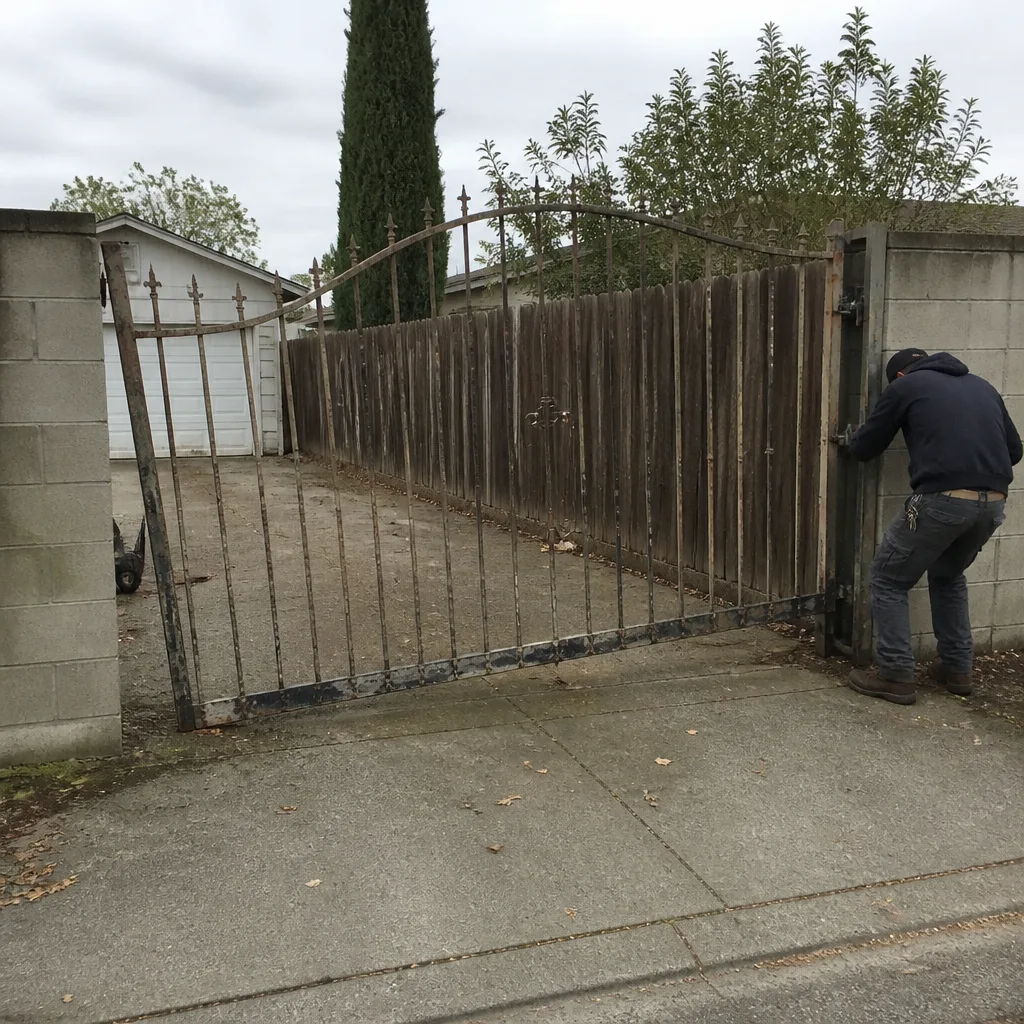 Before
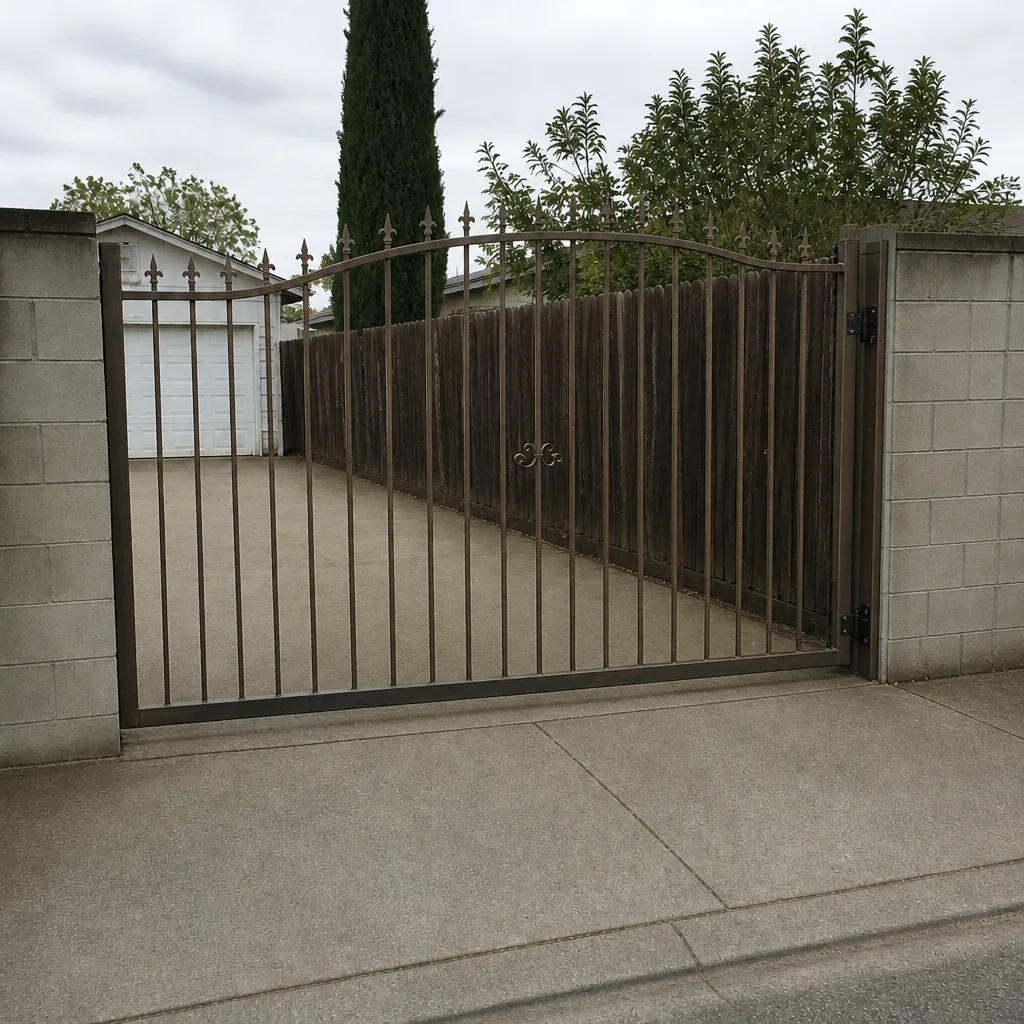 After
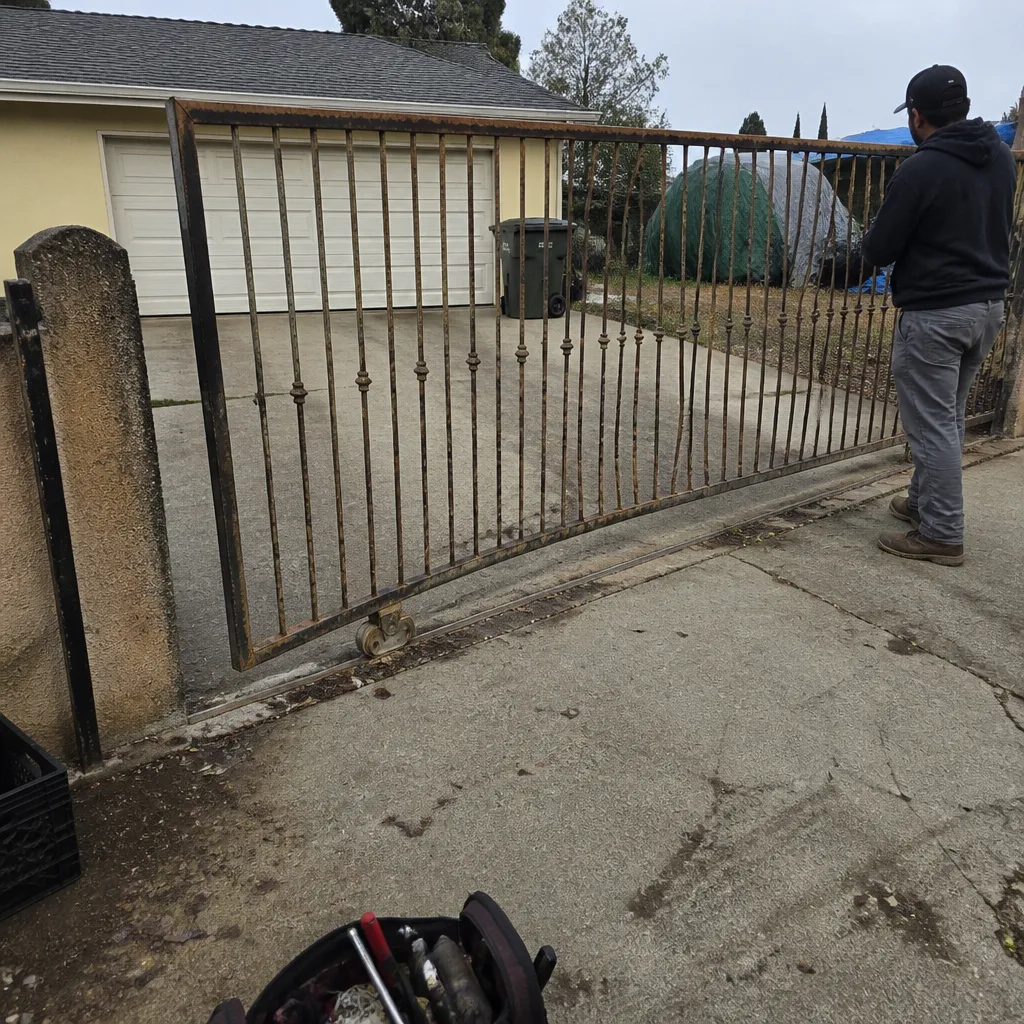 Before
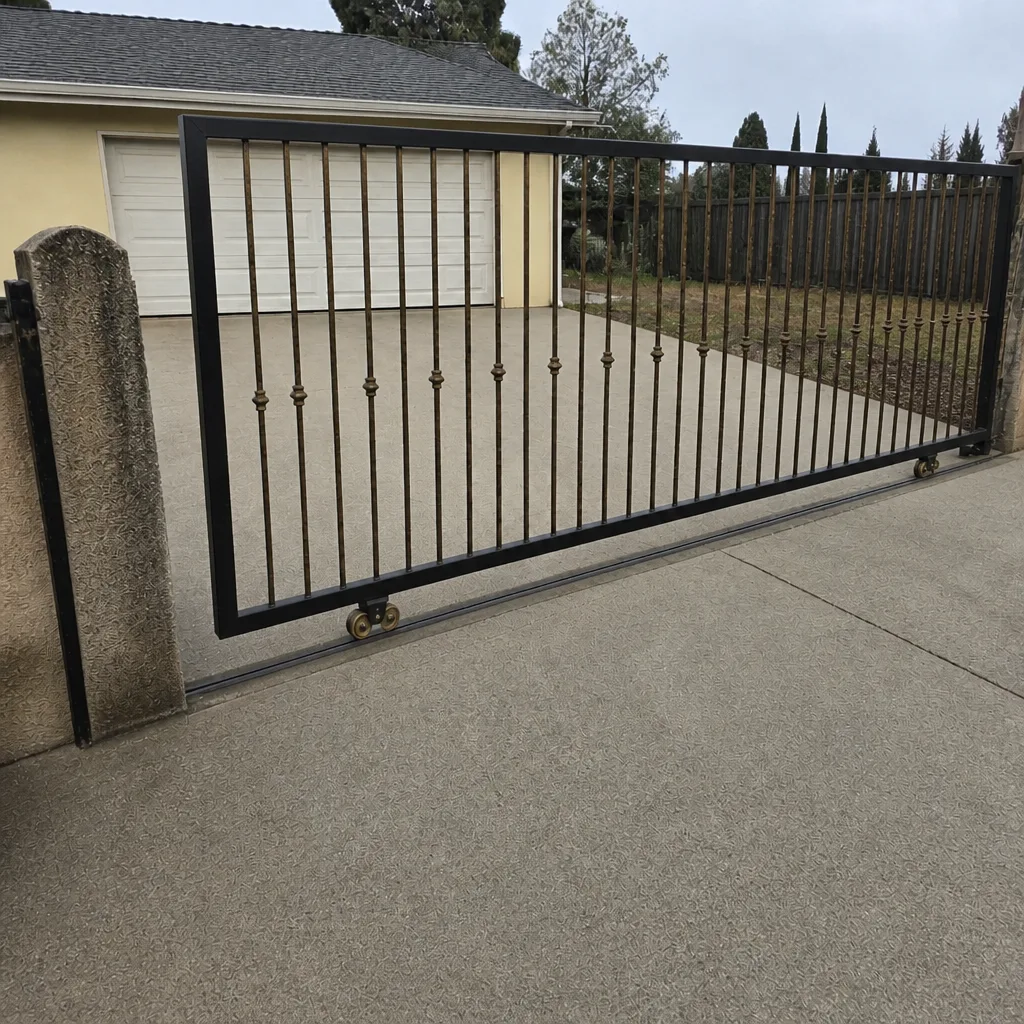 After
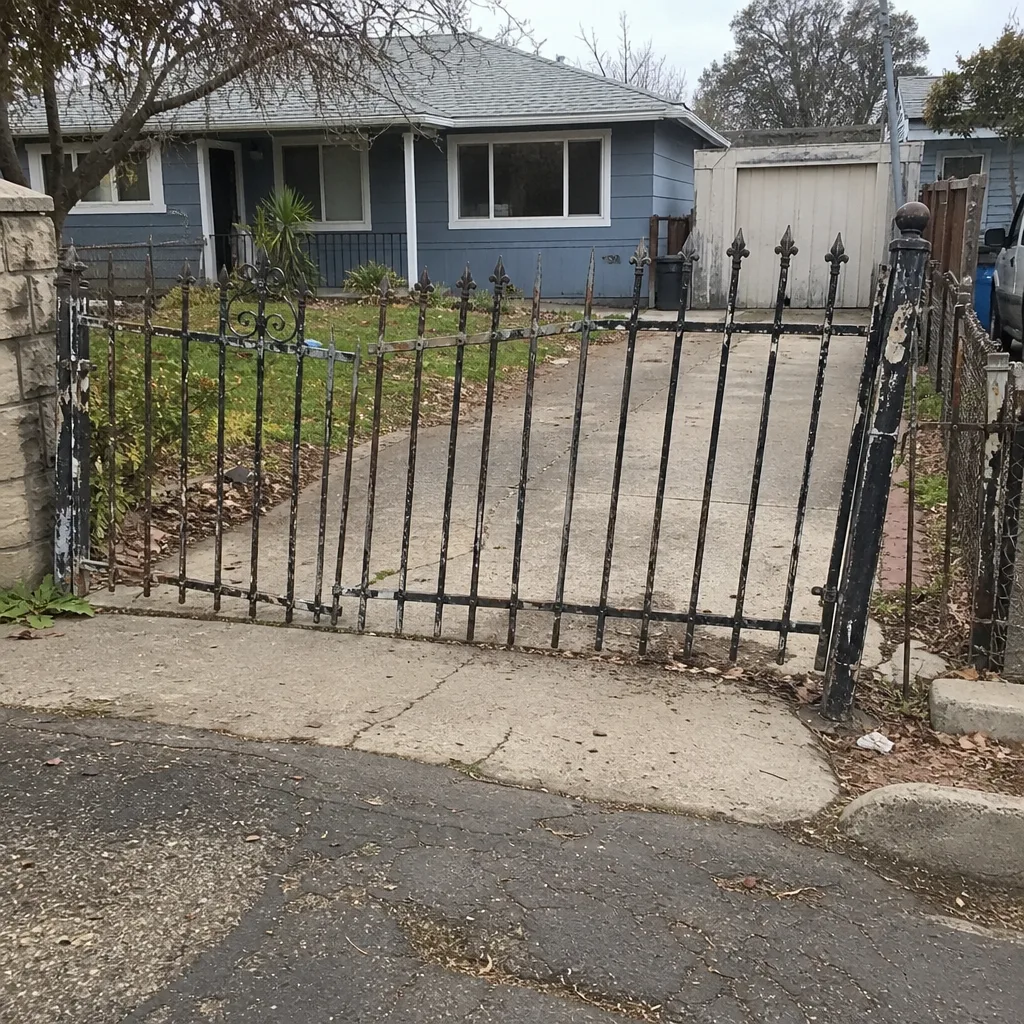 Before
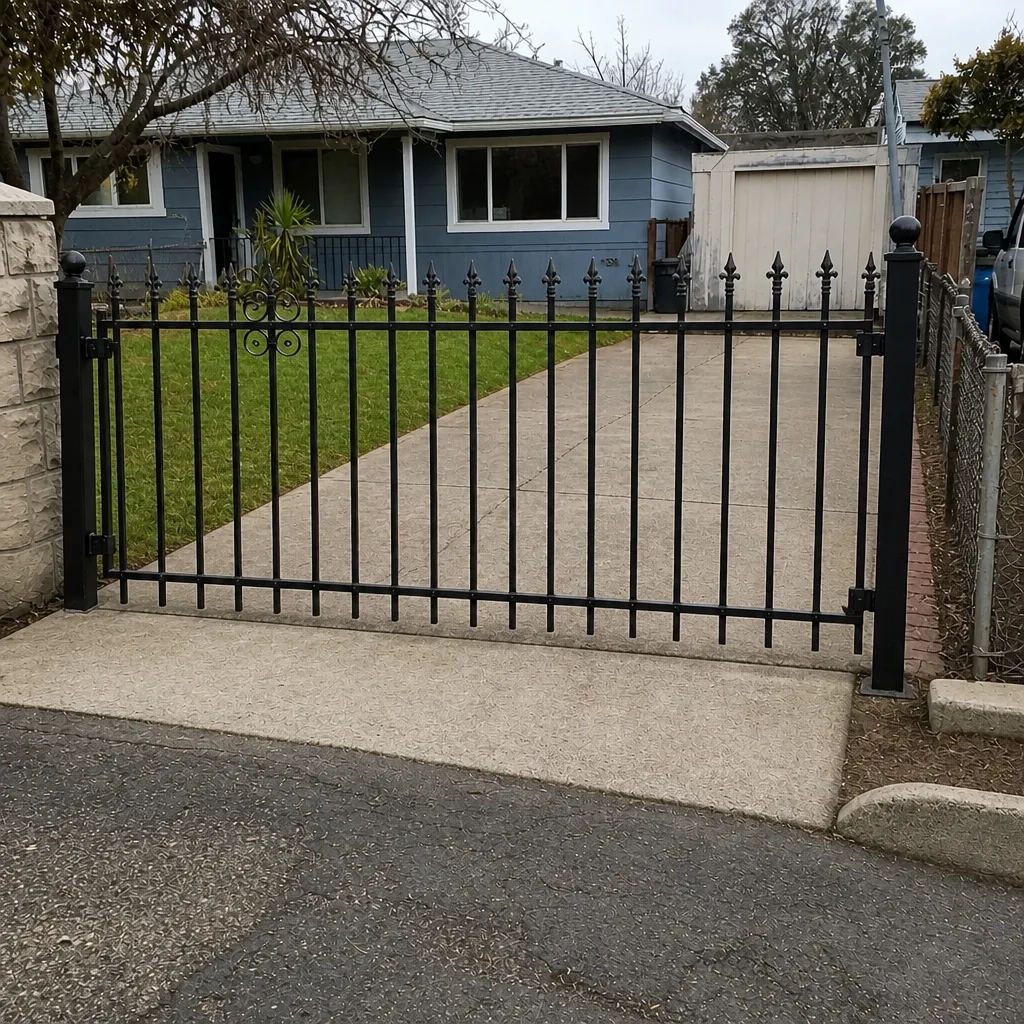 After
When to Call a Professional
Call a gate specialist when a permit may be involved, when the gate has a safety device that isn’t working, or when you can’t tell which part has failed. If your gate is automated and you have never confirmed the photo eyes or safety edge function, that is a call worth making before anything else. If the operator stops mid-cycle, reverses on its own, or runs but won’t close, the diagnosis needs to cover the operator, the gate structure, and the power together. If you’re planning a replacement or adding automation to a manual gate, get the scope and the permit question settled before equipment is ordered. And if you’ve bought a property in Vacaville with an existing gate and no paperwork, a written report of what is there and what needs remediation gives you a clean place to start. Gate Repair Vacaville offers free estimates in Vacaville – call (888) 772-3933. We answer 24/7. Fast dispatch from 7am to 7pm, Sunday through Friday, and we’re closed Saturday.
Frequently Asked Questions
Usually not, if the work is a like-for-like repair to a gate that was legally installed and permitted. Replacing a motor, control board, photo eye, or safety edge on an existing operator generally does not require a permit. New gate installation, operator replacement with a different model or type, adding automation to a manual gate, structural changes to the gate, and new electrical circuits generally do. Call the City of Vacaville Building Division with your exact scope and they will tell you which side you’re on. Call (888) 772-3933 for a free estimate – we’ll scope the job with the permit question in mind.
UL 325 is the safety standard for automatic gate operators, and it requires that an automated gate be able to detect an obstruction and reverse or stop before harm occurs. In practical terms, that means functioning photo eyes, safety edges, or other entrapment protection appropriate to your gate type and usage class. Any automated gate installed today needs to meet it, and any automated gate that predates current requirements should be brought up where it isn’t already. If your gate closes and you have never tested the safety devices, start there. Call (888) 772-3933 for a free estimate on bringing your gate into compliance.
Your HOA can be stricter than the city, and when the two conflict the stricter requirement generally governs. The city code sets the floor for safety, structure, and electrical. HOA rules are usually about appearance, sight lines, and uniformity. A rule that would compromise entrapment protection is not one anyone can safely follow, and that conversation is best had with the association before equipment is ordered. We can tell you which parts of a spec touch the operator and the safety devices. Call (888) 772-3933 for a free estimate and we’ll walk through both sets of requirements with you.
The inspector verifies the structure, the electrical supply, and the safety devices. Posts, footings, anchoring, and the gate itself are checked against the permitted drawings. The power run, the disconnect, and how the circuit is protected are checked for code compliance. The photo eyes, safety edges, and other entrapment protection are tested, not just visually inspected, along with the operator’s force and travel settings and the required warning signage. The most common correction is a sensor wired to the wrong terminal or a missing safety edge on a gate whose closing path a photo eye doesn’t cover. Call (888) 772-3933 for a free estimate and we’ll scope the job so the inspection goes clean.
Ask the City of Vacaville Building Division whether a permit was issued for a gate or operator at your address, and identify the right jurisdiction first, because unincorporated Solano County addresses can sit under county authority. Ask specifically whether the permit was inspected and signed off, because a pulled permit that was never inspected is only half the story. Then test the safety devices on the gate itself, since a permitted gate can still have devices that no longer work. Call (888) 772-3933 for a free estimate and we’ll put together a written report of what is there and what needs remediating.
You can physically install an operator, but on a job that requires a permit, doing it unpermitted leaves you with the same liability exposure as the previous owner who skipped it. The gate still has to meet UL 325 entrapment protection, the electrical work still has to be code-compliant, and the safety devices still have to work. Those requirements do not go away because the work was done personally. If something goes wrong later, the missing record is the part that’s hardest to explain. Call (888) 772-3933 for a free estimate and we’ll handle the scope, the permit question, and the installation as one job.
The Bottom Line
Gate work in Vacaville splits along scope, not along whether the gate moves afterward. Repairing an existing, legally installed gate generally does not require a permit. Installing a new gate, replacing the operator, adding automation, changing the structure, or running new electrical generally does. Automated gates must meet UL 325 entrapment protection, which in plain language means photo eyes, safety edges, or a reversing mechanism appropriate to the gate type and usage class, and those devices need to actually be tested, not just present. HOA specs can be stricter than city code but cannot waive a safety requirement. And if you’ve inherited a gate with no paperwork, checking the permit record and testing the safety devices is the fastest way to know where you stand. A Gate Repair Vacaville specialist can look at the whole job, not just the operator, and scope it so the inspection goes clean the first time. Whether you’re in Vacaville or nearby, call (888) 772-3933 for a free estimate. We answer 24/7. Fast dispatch from 7am to 7pm, Sunday through Friday, closed Saturday.
Written by the team at Gate Repair Vacaville.