
Last updated November 15, 2026
 Wrought iron
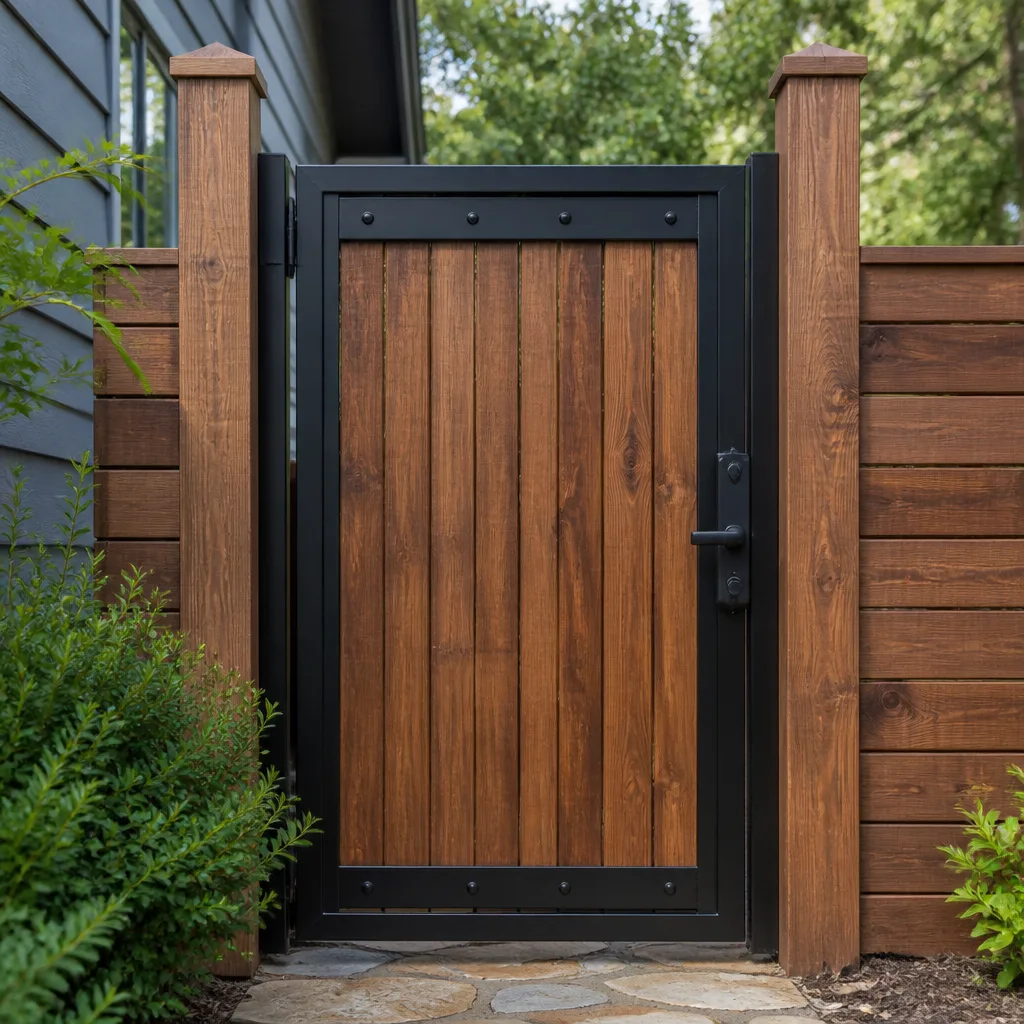 Wood & steel frame
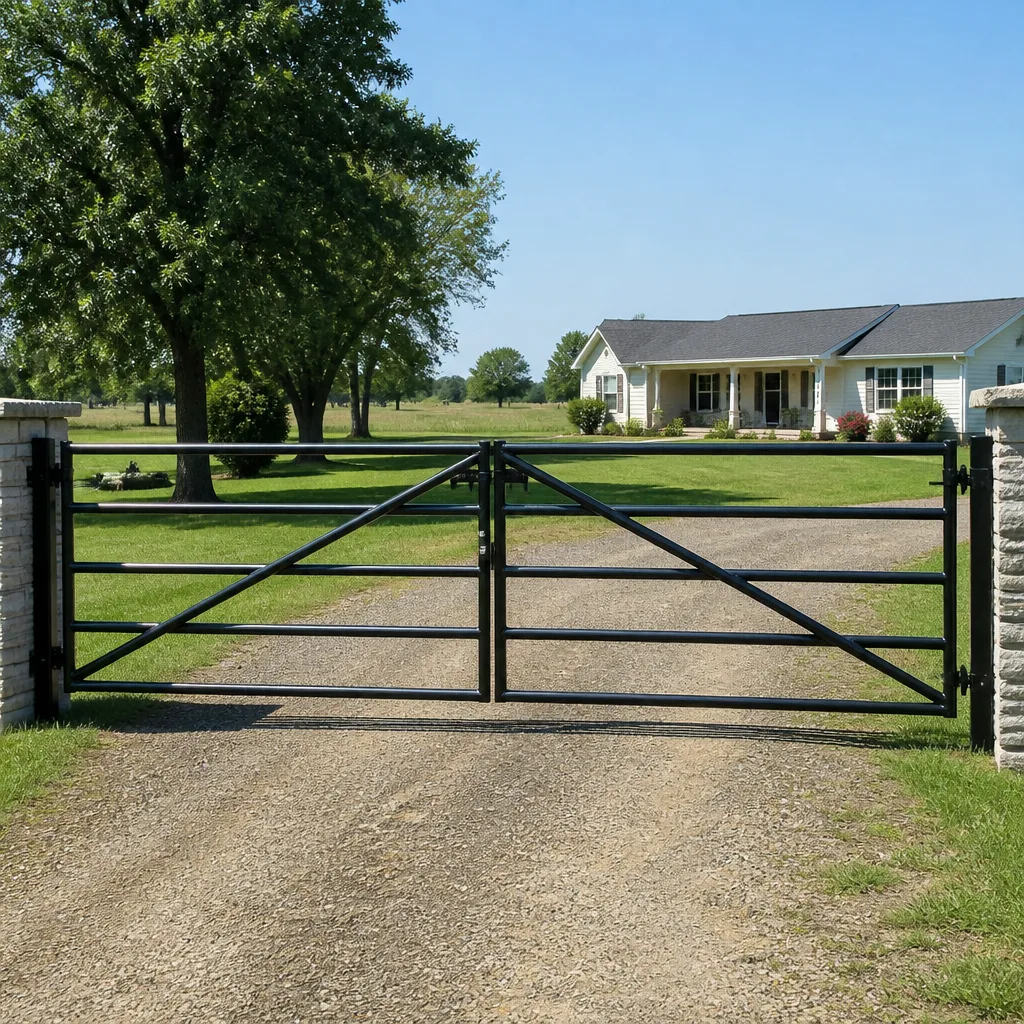 Farm & ranch
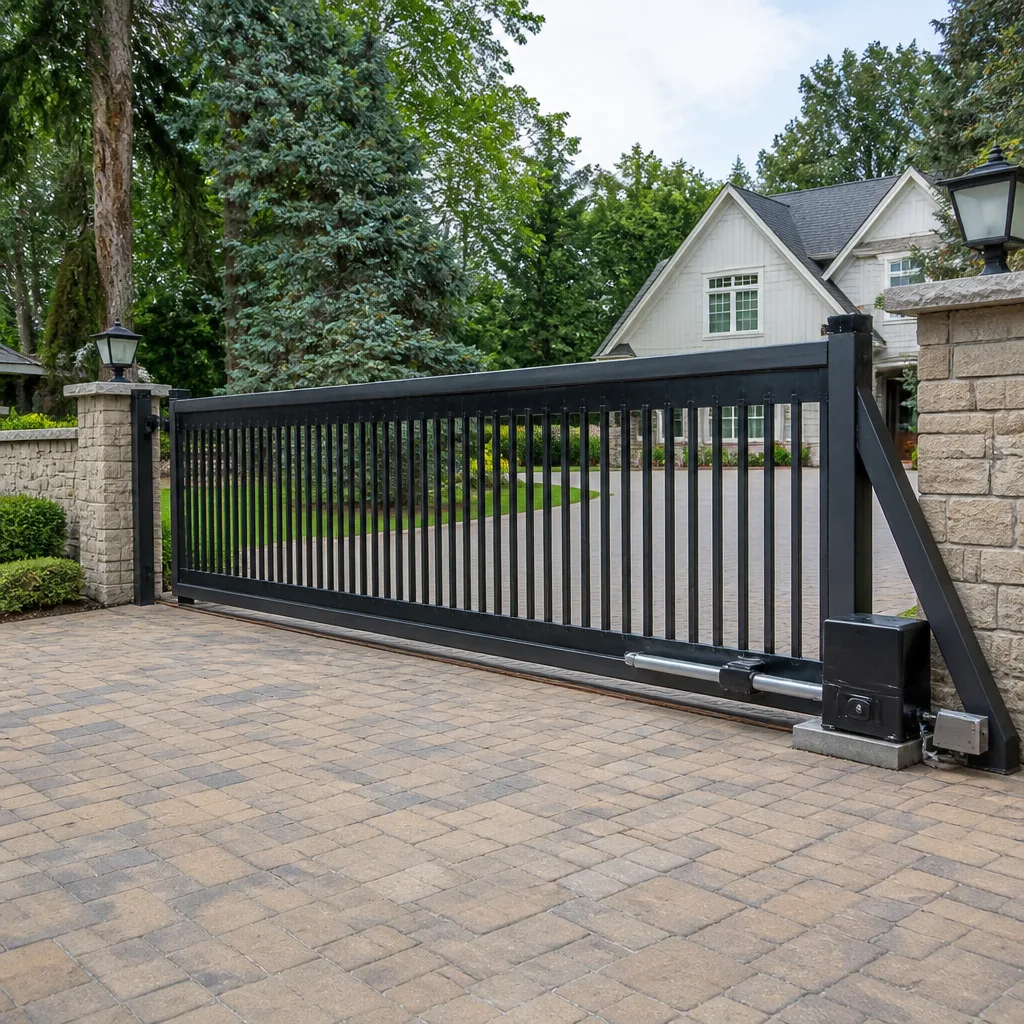 Sliding driveway gates
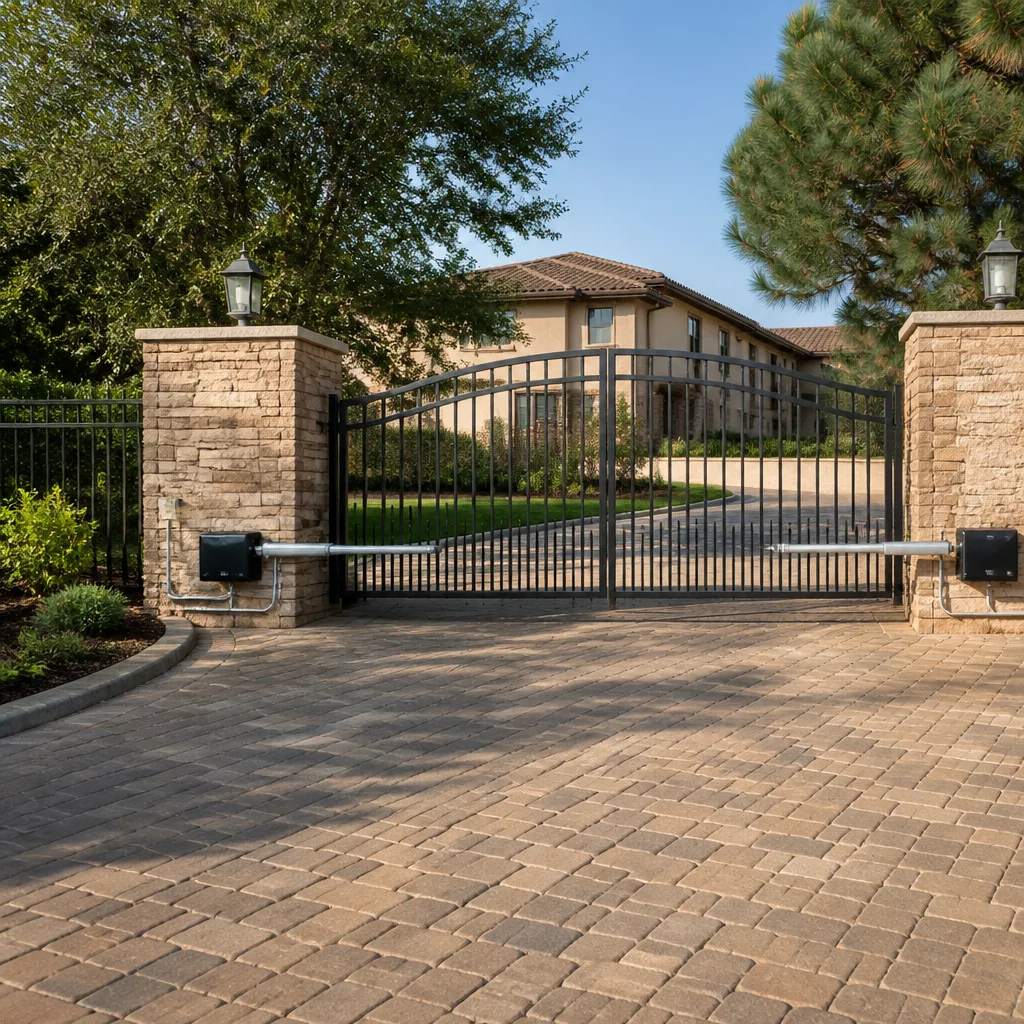 LiftMaster operators
Free on-site gate assessment - hinges, posts, and your LiftMaster or Nice gate operator checked before anything is quoted
The assessment is free and the quote is the invoice.
Get your free estimateSeasonal Gate Repair Care for Vacaville: Year-Round Homeowner’s Guide
Most gate care advice is written for a climate that Vacaville doesn’t have. The coastal playbook warns about salt air and constant damp; ours runs the other way. Summers here push past 105°F, the ground bakes, and dust moves sideways across driveways. Then winter drops into the 30s on the coldest nights, cold enough to frost a windshield before sunrise. A gate motor and its control board don’t experience “California weather” in the abstract. They experience Vacaville’s specific swing from dry furnace heat to cold, damp mornings, and each season loads a different part of the system. This guide breaks the year into four threat profiles, walks through what to check when, and shows you how to keep a maintenance log that actually helps you later. By the end you’ll know what your gate needs in each season and when a problem is beyond a homeowner’s reach.
Styles & brands we work with
- Wrought iron
- Wood & steel frame
- Farm & ranch
- Sliding driveway gates
- LiftMaster operators
Quick Answer
Seasonal gate care in Vacaville means matching your checks to the season: in summer, watch operator ventilation, sun-cracked wiring, and heat-swollen sliding tracks; in fall, catch the heat damage before the first cold snap; in winter, watch batteries and any hydraulic components as temperatures drop toward freezing; in spring, inspect for post-rain corrosion and clear grass and seed debris from loop detectors. The single highest-value habit is a dated 12-month maintenance log you write as you go, because it turns a vague “it’s been acting up” into a documented history. A gate specialist can handle anything past a visual check.
Table of Contents
- Why Vacaville Gate Care Isn’t Coastal Gate Care
- Summer: Heat, Dust, and Thermal Expansion
- Fall: Catching Deferred Summer Damage
- Winter: Cold Mornings, Batteries, and Hydraulics
- Spring: Post-Rain Corrosion and Loop Debris
- Building a 12-Month Maintenance Log
- Matching Care to Your Operator Brand
- Common Mistakes to Avoid
- When to Call a Professional
- Frequently Asked Questions
Why Vacaville Gate Care Isn’t Coastal Gate Care
Vacaville sits in a bowl of inland valley climate that behaves nothing like the Bay Area an hour away. Summer heat is dry and sustained, not a brief warm spell. Dust is a real seasonal presence, kicked up by dry wind and driven into every moving joint on a gate. Winter brings cold mornings that can dip to frost, and rain that arrives in concentrated storms rather than a steady drizzle. That combination shapes gate failures in ways a generic checklist misses.
The seasonal logic is simple. Heat causes expansion and stresses electronics and lubricants. Cold causes contraction and punishes batteries and any fluid-filled components. Rain delivers moisture to every seam, hinge, and bearing. Dry dust works its way into tracks, rollers, and sensor faces. And the transitions between seasons amplify all of it: a part that limped through August in the heat can fail outright the first cold morning it contracts. The biggest seasonal failure pattern we see is deferred damage. A gate system that runs fine all summer can develop micro-cracks in sun-exposed wire insulation, thinning lubricant on a slide track, or a weakening backup battery, and none of it shows until conditions change and the weakened part gives way.
That’s why the useful way to think about your gate is seasonal, not “twice a year.” Each block of the year exposes a different set of components. Treat each as its own inspection target and you’ll catch problems while they’re cheap to fix. For a system that needs hands-on service at any point in the year, our Gate Repair Vacaville team works on the full range of residential and commercial operators.
Summer: Heat, Dust, and Thermal Expansion
Summer is when Vacaville’s 105°F days do the most invisible damage. The tasks below are the ones that matter in the heat season, and they’re the ones most homeowners skip because the gate still “works.”
Check operator ventilation
An automatic gate operator generates heat while running, and a sealed or debris-clogged housing traps it. Dust and dry grass collect around the vents and cooling surfaces of the operator box. Keep those clear. If you hear the motor straining or the housing feels hot to the touch after a normal cycle, that’s a sign the operator isn’t shedding heat the way it should. A control board that runs too hot is a control board that fails early, and on brands like LiftMaster or FAAC the board is the expensive part.
Inspect UV-exposed wiring
Sun exposure degrades wire insulation over time, and gate wiring is often run where the sun hits it directly. Look along the run for cracks, chalky or faded insulation, and anywhere the wire jacket has gone brittle at a bend or a clamp. Cracked insulation invites moisture in later, and the failure shows up months after the summer that caused it. This is a visual check; don’t handle live wiring yourself.
Account for thermal expansion on sliding tracks
Metal expands in heat. On a sliding gate, the track and the gate frame grow slightly on a hot afternoon, and clearances that were fine in spring can close up. A slide gate that drags or binds mid-day but runs smoothly in the cool of the morning is telling you about expansion, not a motor problem. Keep the track clean of grit so the gate has room, and note the pattern in your log.
Clear dust from sensor faces and loops
Dust settles on safety sensor lenses and on the approach to loop detectors. A coated lens or a dusty loop area can cause false stops or a gate that refuses to close. A soft clean of exposed sensor faces and a clear approach goes a long way during dust season.
Fall: Catching Deferred Summer Damage
October is when the phone starts ringing. The failures that show up as the first cold snap arrives are almost always rooted in what happened during the heat months, not in the weather that finally triggered them. Fall is your window to catch heat damage before the cold tests it.
Here’s what deferred summer damage tends to look like:
- Brittle wiring that cracks in the cold. Sun-degraded insulation flexes fine in warm weather and splits when temperatures drop. A wire that survived all summer can short on the first cold morning.
- Thin, heat-degraded lubricant. Summer heat thins grease on rollers, hinges, and slide tracks. By fall the moving parts are wearing against each other.
- A weakening backup battery. Heat is hard on batteries, and a backup that held voltage in July can fail its first real test in December. Fall is the time to note how the system behaves.
- Heat-stressed control board components. Intermittent behavior in the heat, like a gate that skips a command on a hot afternoon, often points to a board component near the end of its life.
The fall walk-through is straightforward. Run the gate through a full open and close a few times and listen for new noises, change in speed, or hesitation. Look for the summer wear signs above. Note anything intermittent. Then book an electric gate repair visit for anything that isn’t purely visual, so a specialist can test the board and battery before the cold finds the weak point.
Winter: Cold Mornings, Batteries, and Hydraulics
Vacaville winters are mild by national standards, but mild isn’t the same as harmless. The coldest weeks bring mornings near freezing, and that’s enough to expose parts that were already marginal. Two components feel winter most: batteries and anything hydraulic.
Battery backup systems
Most automatic gate operators run a backup battery so the gate still works during a power outage. Cold reduces a battery’s ability to deliver current, and an aging battery that seemed fine all summer can suddenly fail to move the gate on a frosty morning. If your gate behaves normally once the day warms but struggles or stalls on the coldest mornings, the battery is the first thing to suspect. Don’t swap batteries blindly; a specialist can test the charging circuit and the battery together, because a fault in one mimics the other.
Hydraulic operators
Some gate operators use hydraulic rams rather than a purely electric drive. Cold thickens hydraulic fluid, which changes how the operator behaves: slower movement, more strain, and sometimes seepage at seals that were fine in warm weather. Near-freezing mornings are when a worn seal starts to weep. If you see fluid around the ram or the gate moves sluggishly only when it’s cold, that’s a hydraulic issue for a technician, not a lubrication job.
General cold-weather checks
- Listen on the coldest mornings: new groans, slow starts, or a gate that reverses unexpectedly.
- Look for frost or condensation on the control enclosure and confirm the cover and seals are intact.
- Keep the track and hinges free of debris so cold-stiffened parts aren’t fighting grit too.
- Note the morning temperature when a problem appears; that detail helps a technician enormously.
Electrical and hydraulic work is not a homeowner task. The operator’s wiring and the stored force in gate hardware can cause serious injury, so treat winter checks as look-and-listen only and call a trained professional for anything that needs opening, testing, or adjusting.
Spring: Post-Rain Corrosion and Loop Debris
Spring reverses the winter pattern. Rain has delivered moisture to every exposed seam, and now the valley’s grass and seed heads are growing fast. Two spring problems dominate: corrosion at the points rain reaches, and debris clogging the loop detectors that tell an automated gate a vehicle is there.
Post-rain corrosion inspection points
Walk the gate after a good soaking and check the spots where water collects and sits:
- Hinges and pivot points on swing gates, where moisture works into the joint.
- Rollers and the slide track on sliding gates, especially low spots where water pools.
- Post bases and anchor points, where water stands against the metal footing.
- Control enclosure seals and cable entry points, where a failed gasket lets water reach the board.
- Sensor and safety edge housings, where pooled water can interfere with detection.
Surface rust on a moving part is a warning that lubrication has washed away and the part is now wearing. Left alone, a rusted hinge or roller loads the operator, which then strains to move a gate that used to glide.
How grass and seed debris clog loop detectors
Loop detectors are wire loops buried in the driveway that sense a vehicle’s presence. In spring, fast-growing valley grass and windblown seed debris pile up over and around the loop area and along the edges of the pavement. A loop buried under debris, or an approach that’s grown over, can produce false readings: a gate that won’t close because it “sees” a car that isn’t there, or one that fails to open for a real vehicle. Keep the pavement over and around the loop clear, trim growth back from the edges, and clear seed debris after windy days. Persistent loop problems after the area is clear point to the loop itself and need a specialist.
Building a 12-Month Maintenance Log
A maintenance log is the single most useful thing you can keep, and almost nobody does it. It’s also the exact record that helps if you ever file a warranty or insurance claim, because it shows a documented pattern of care rather than a single panicked service. You don’t need an app. A notebook on a shelf works, as long as you fill it in.
Log these five things every time you check or service the gate:
- Date and season. Write the day and note the season so the pattern is visible at a glance.
- Weather conditions. Temperature and whether it was dry, dusty, rainy, or cold that morning. This is how you connect a failure to its cause.
- What you observed. New noises, slow starts, binding, hesitation, false stops, fluid weeping, rust, cracked insulation. Be specific and use plain words.
- What was done. A visual check you performed, or a repair a technician completed. Note the part if a component was replaced.
- Who did the work and the outcome. A company name and whether the issue resolved or came back.
Two extra habits make the log far more valuable. First, keep your original installation paperwork and any written estimates with it, so the parts and the service history live in one place. Second, photograph anything you notice, dated by your phone, and reference the photo in the entry. When a gate fails intermittently, the log turns a frustrating mystery into a timeline a technician can actually use. “It stalls only on cold mornings since November” is a diagnosis waiting to happen; “it’s been weird” is not.
Matching Care to Your Operator Brand
Seasonal care looks the same in principle across brands, but the weak points differ, and knowing your operator helps you watch the right thing. We work across the full range of systems, from entry-level residential operators to professional access control, and we’ve learned each one’s tendencies.
- Mighty Mule and Ghost Controls (entry-level residential): often installed by homeowners, so wiring runs and enclosure seals are worth a close eye each season. A backup battery on a small residential unit is a common cold-morning culprit.
- LiftMaster: common on residential driveways, with control boards that feel heat stress. Watch for intermittent behavior on hot afternoons.
- Linear and Viking: mid-tier residential and light commercial workhorses; regular roller, hinge, and track care keeps the operator from overworking.
- FAAC and BFT: heavier-duty and often hydraulic or high-cycle, so winter cold is the season to watch for sluggish rams and cold-thickened fluid.
- DoorKing and Elite: commercial and access-control systems where loop detectors and safety devices carry the load. Spring debris cleanup around loops matters most.
The point isn’t to memorize a chart. It’s to know your brand, find it in your log, and watch its known weak season. We repair the operator you already have rather than pushing a replacement, and a brand-agnostic approach means you get the same diagnosis whether your gate runs a Mighty Mule or a commercial BFT. If your gate ever needs more than care, our gate repair service covers everything from a worn hinge to a failing control board.
Common Mistakes to Avoid
- Treating the gate as seasonal only when it breaks. The failures that cost the most are the ones you didn’t see coming because you never looked between breakdowns.
- Skipping the fall inspection because “it ran fine all summer.” Summer damage is quiet. Fall is your one window to catch it before the cold tests it.
- Swapping a backup battery without testing the charging circuit. A charging fault looks exactly like a dead battery, and a new battery on a bad charger fails just as fast.
- Letting dust and grass build up on sensor faces and loop areas. In Vacaville’s dust season that debris alone causes false stops and gates that won’t close.
- Ignoring surface rust on hinges and rollers. A rusted moving part loads the operator and turns a cheap fix into an expensive one.
- DIY-ing anything electrical, hydraulic, or in the operator enclosure. The wiring, stored force, and heavy panels can cause serious injury. A trained professional handles those.
- Running the gate with no written record. Without a dated log, an intermittent failure is a guess, and a warranty or insurance claim has nothing to stand on.
When to Call a Professional
Some seasonal checks are yours: a visual walk, a listen, a soft clean of sensor faces, keeping tracks and loop areas clear, and writing it all in the log. Stop there and call a specialist when the problem is in the enclosure, the wiring, the hydraulics, the control board, or the safety devices. That includes a gate that stalls only on cold mornings, one that reverses unexpectedly, a board that acts intermittently in heat, fluid weeping from a hydraulic ram, a loop that misreads after the area is cleared, or cracked insulation anywhere on the run. Gate Repair Vacaville offers free estimates in Vacaville and handles repair, electric and automated gate repair, and new installation under one roof. Call (888) 772-3933 to book. We answer 24/7. Fast dispatch from 7am to 7pm, Sunday through Friday.
Frequently Asked Questions
A visual check each season, four times a year, plus a professional service visit once a year for anything involving the operator, board, battery, or safety devices. Vacaville’s swing from hot, dusty summers to cold mornings stresses different parts each season, so a once-a-season look catches problems while they’re small. Call (888) 772-3933 for an exact quote on a service visit; estimates are free.
A gate that stalls only when it’s cold usually points to a battery that’s lost cold-weather capacity or, on a hydraulic operator, fluid that thickens near freezing. Both are testable, and both mimic other faults, so a specialist should check the battery and charging circuit together or inspect the hydraulics. Call (888) 772-3933 to get it looked at; estimates are free.
A gate that opens on its own or won’t close is most often a sensor or loop-detector problem, and in spring and dust season that’s frequently debris on a sensor face or grown-over loop area. Clear the area first; if it persists, the loop or a safety device needs testing by a technician. Call (888) 772-3933 for a diagnosis; estimates are free.
Yes. We repair the operator you already have, from Mighty Mule and LiftMaster through FAAC, BFT, and commercial systems, rather than pushing a brand replacement. A board, a motor, a sensor, or a remote can often be fixed on the existing unit. Call (888) 772-3933 to talk through what’s failing; estimates are free.
Yes, and quietly. Sustained heat near 105°F thins lubricant, stresses control-board components, expands sliding tracks, and degrades sun-exposed wire insulation. None of it shows immediately; it surfaces in fall when temperatures drop. That’s why a fall check before the cold snap matters more than any other. Call (888) 772-3933 to book a fall inspection; estimates are free.
Yes, because a dated log turns “it’s been acting up” into a timeline a technician can use, and it’s the record that supports a warranty or insurance claim if you ever file one. Log the date, weather, what you observed, what was done, and who did it, and keep your paperwork and dated photos with it. Call (888) 772-3933 if a logged pattern points to a fault; estimates are free.
The Bottom Line
Vacaville gate care is seasonal care, because each season loads a different part of the system. Summer heat thins lubricant, expands tracks, and quietly degrades wiring and boards; fall is your window to catch that deferred damage before the cold finds it; winter tests batteries and hydraulics on the coldest mornings; spring brings rain corrosion and grass-tangled loop detectors. Match your checks to the season, keep a dated 12-month log, and stay out of the operator enclosure, wiring, and hydraulics. Everything past a visual check belongs with a gate specialist who knows your brand.
If a seasonal check turns up a fault you can’t resolve, or you want a trained eye on your system before the next swing, call Gate Repair Vacaville at (888) 772-3933 for a free estimate. We answer 24/7. Fast dispatch from 7am to 7pm, Sunday through Friday. We work on your brand, repair first, and handle residential to commercial systems so you’re back up and running.
Written by the team at Gate Repair Vacaville.
See the difference
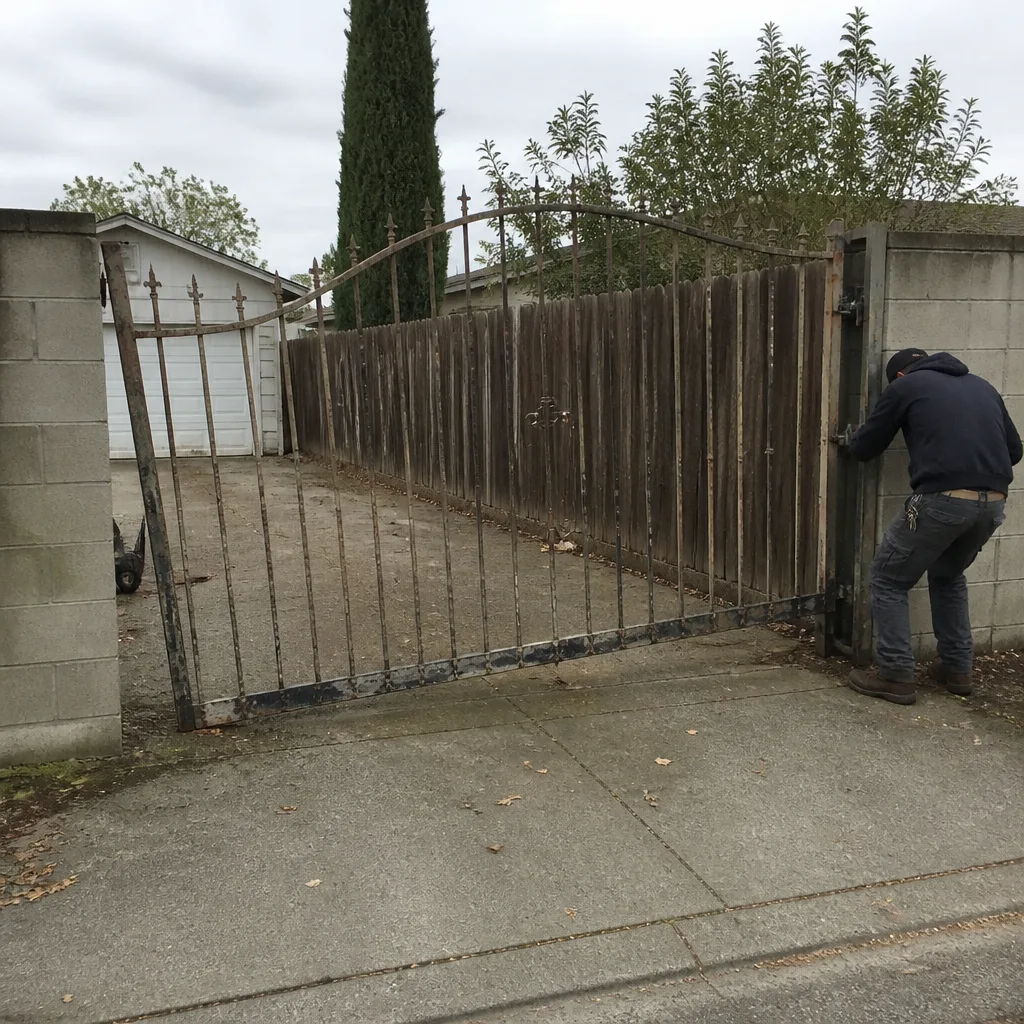 Before
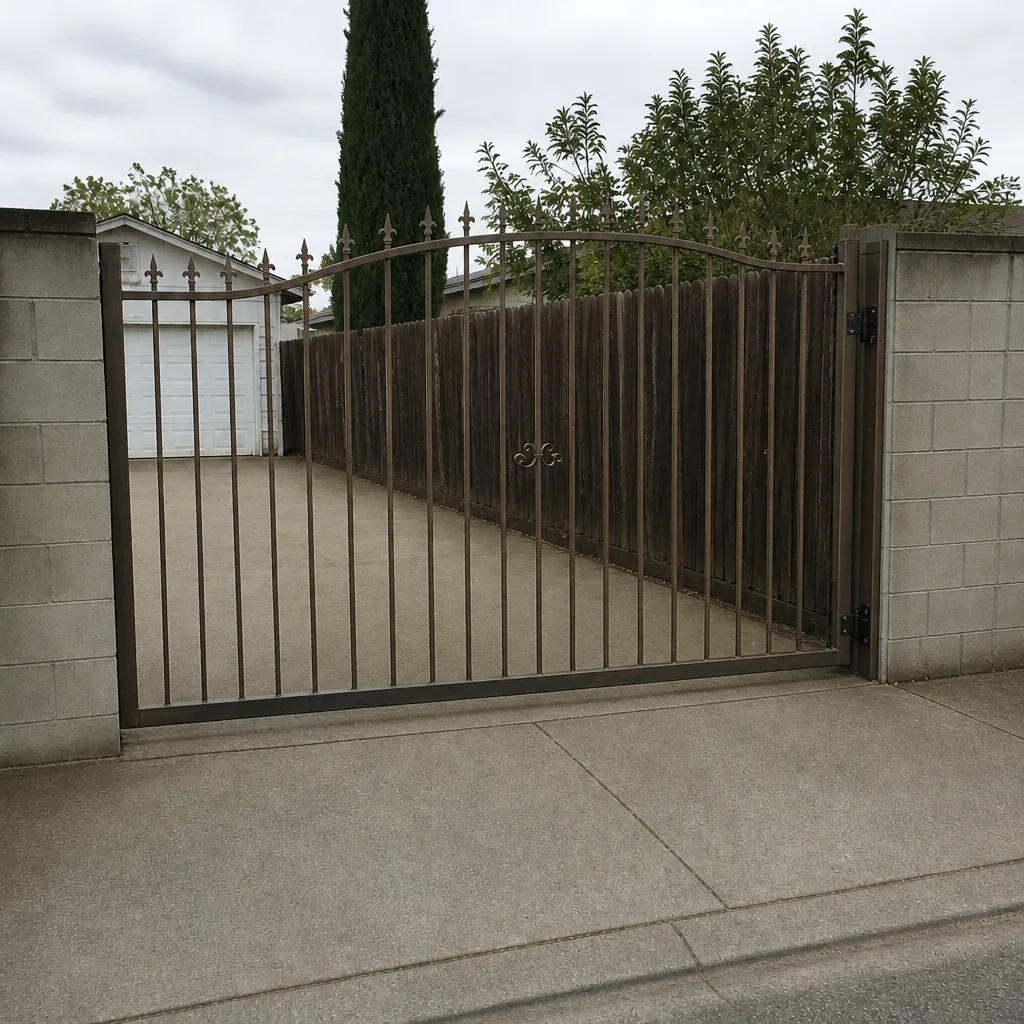 After
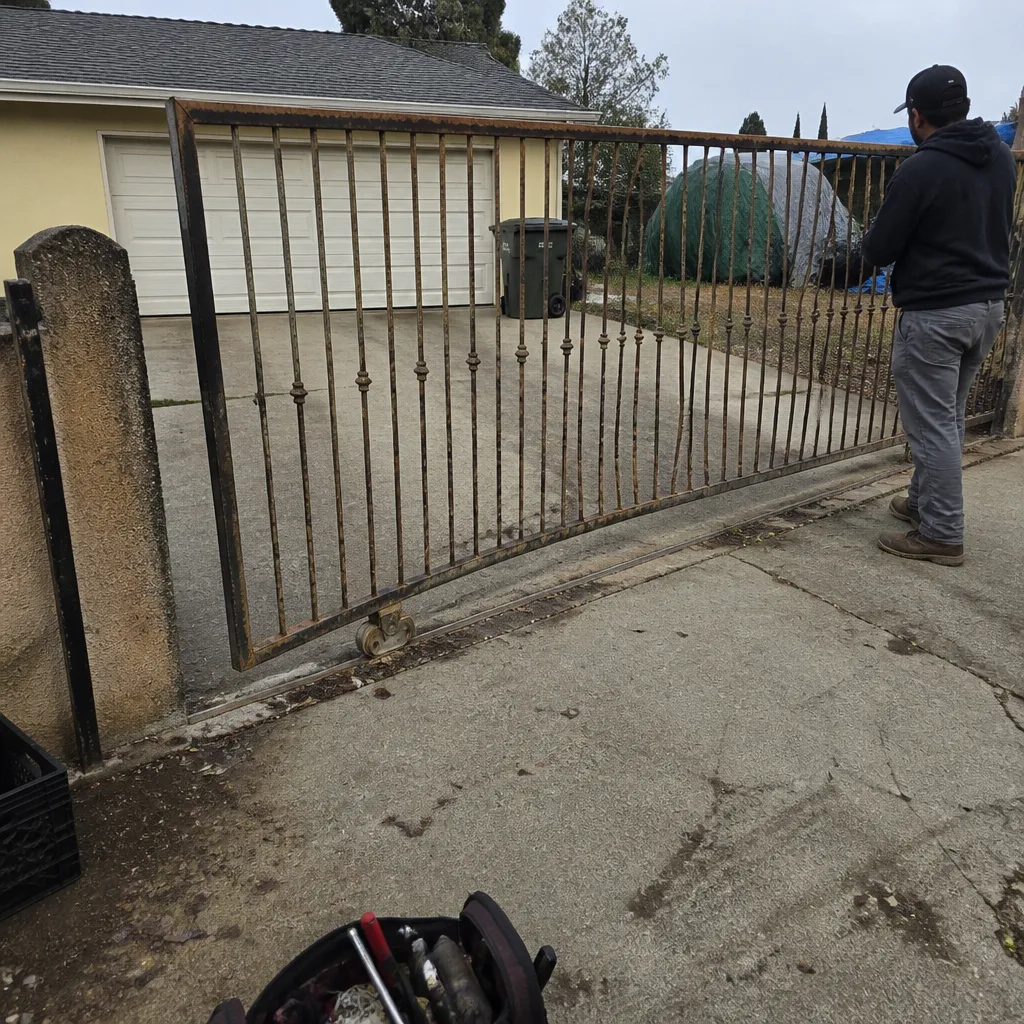 Before
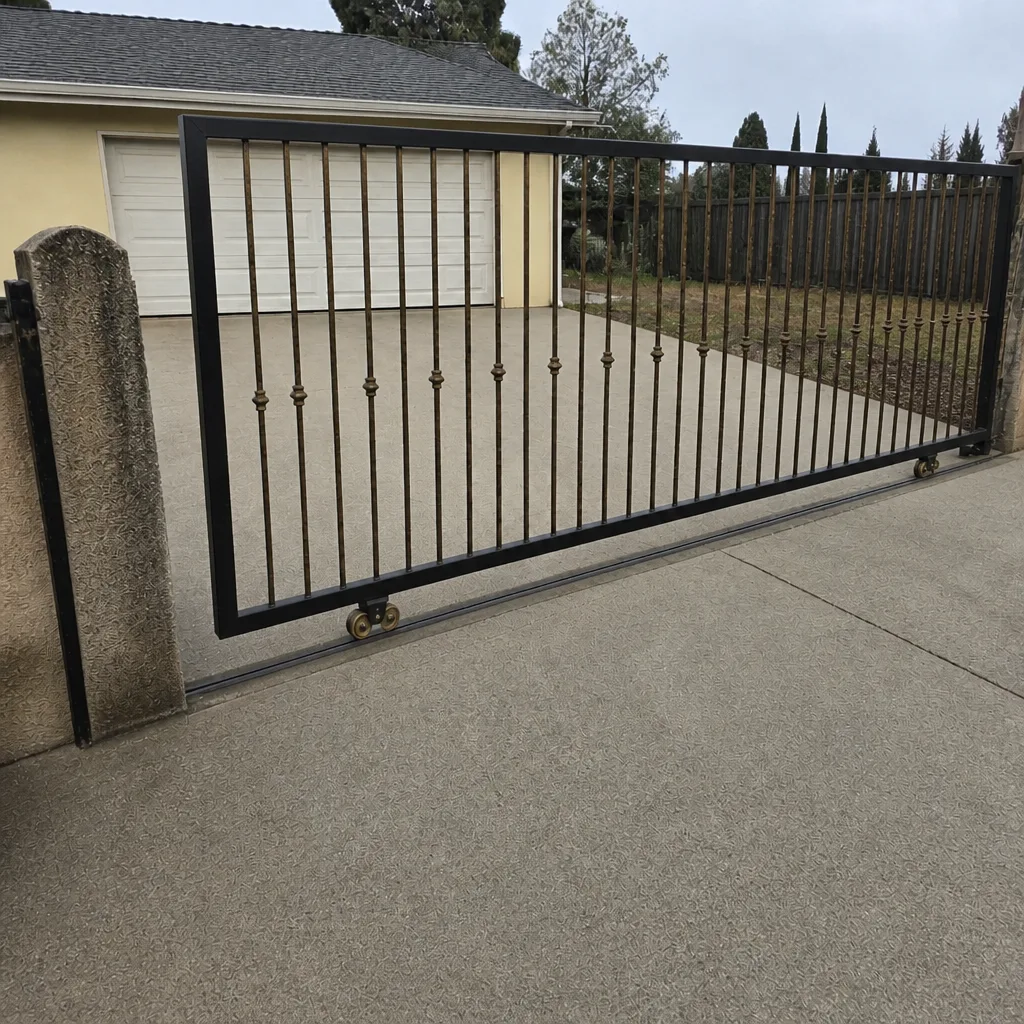 After
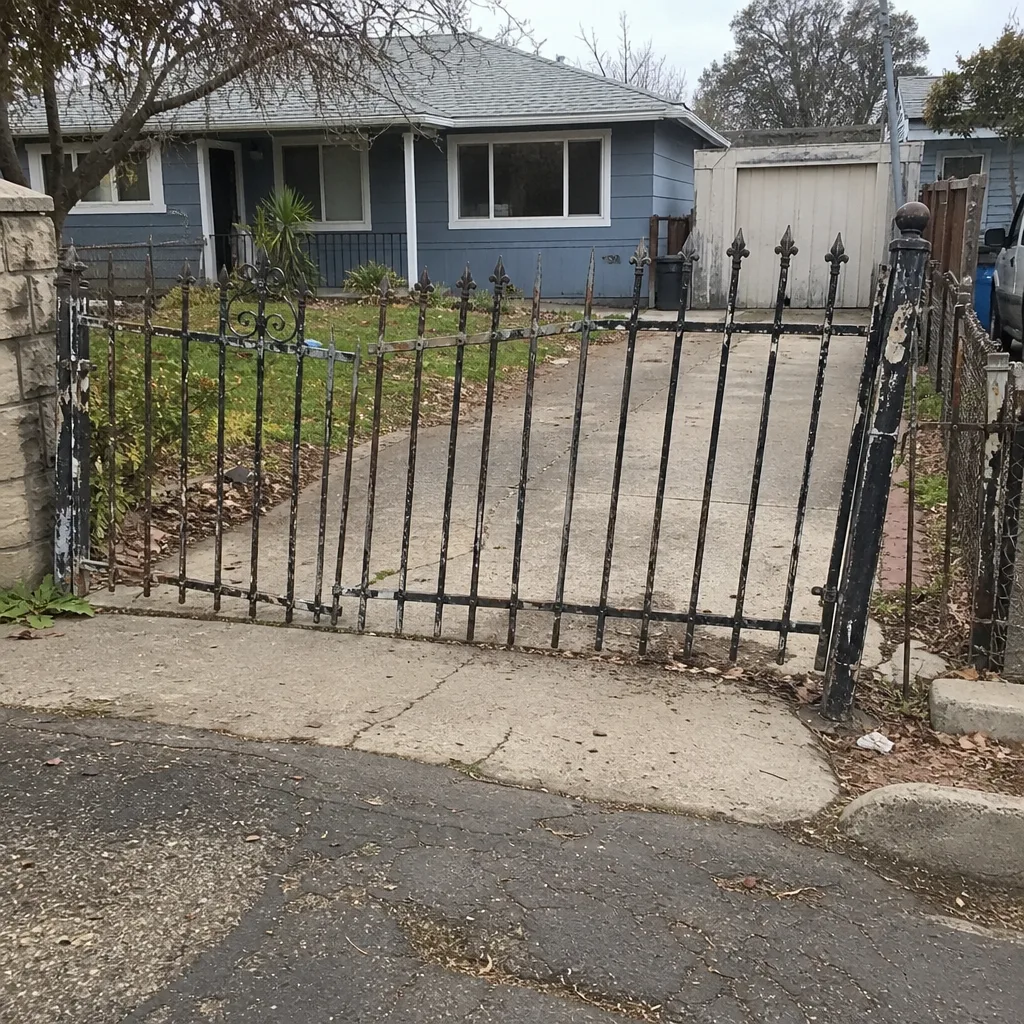 Before
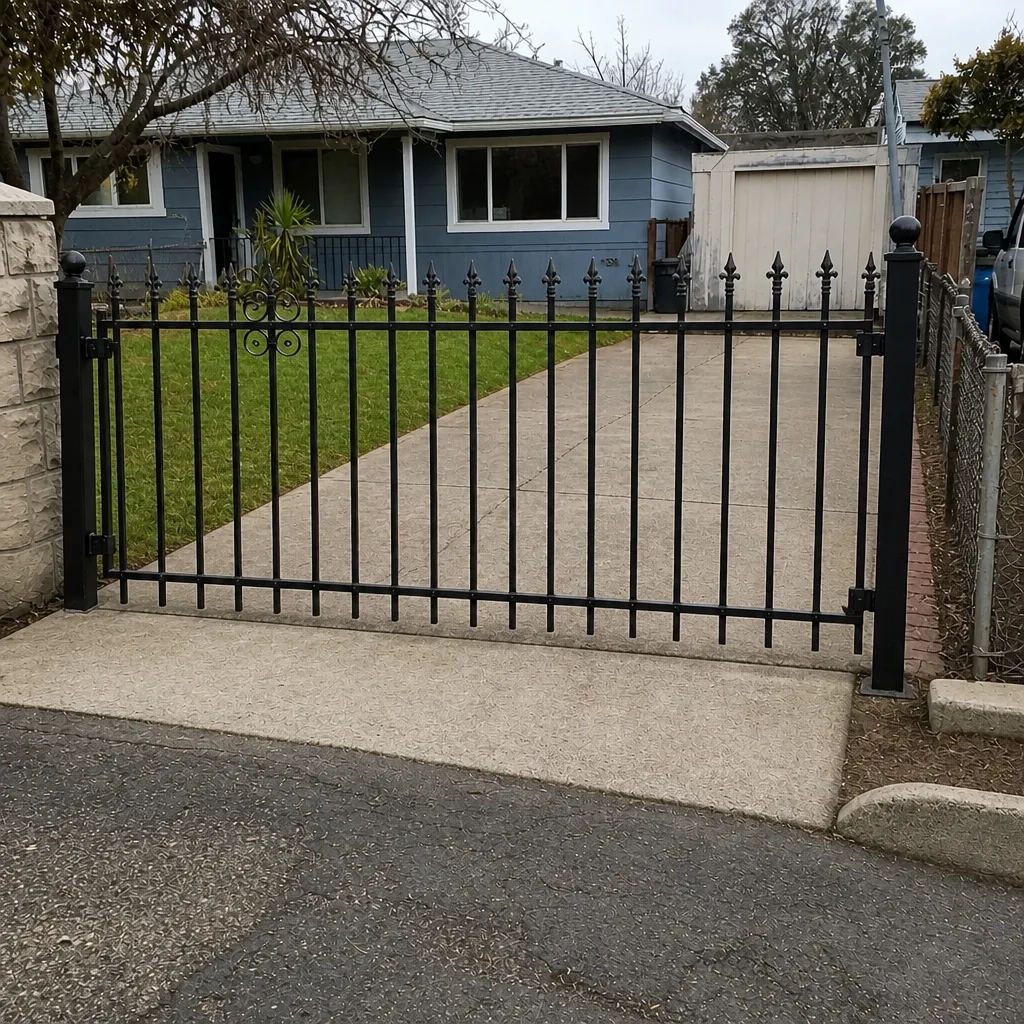 After